Many people find themselves asking, are air fryers toxic, especially as headlines raise concerns about non-stick coatings and chemical safety. At AirFryer Go, we believe you shouldn’t have to choose between convenience and your family’s health.
While rumors about “forever chemicals” and heavy metals can be frightening, the reality is often much simpler. This guide clears the air by examining the materials used in popular brands and showing you how to choose truly non-toxic models, ensuring your journey toward healthier cooking remains safe and science-backed.
>>> Read More: How to Use an Air Fryer: The Ultimate Master Guide (From Unboxing to Pro)
The Big Question: Do Air Fryers Cause Cancer?
It is the question that haunts every health-conscious kitchen: Could this convenient appliance be a hidden health risk? At AirFryer Go, we want to address the “cancer concern” head-on with facts, not fear-mongering.
The connection between air fryers and cancer usually boils down to one word: Acrylamide.
What is Acrylamide?
Acrylamide is a chemical that naturally forms in starchy foods (like potatoes and bread) when they are cooked at high temperatures—whether by frying, roasting, or baking. While high levels of acrylamide are linked to health risks, the air fryer is actually part of the solution, not the problem.
- The Science: Studies show that air frying can reduce acrylamide levels by up to 90% compared to traditional deep-fat frying.
- The AirFryer Go Verdict: By using significantly less oil and precise temperature control, an air fryer is one of the healthiest ways to achieve a “fried” texture.
The Material Myth
Another common fear is that the basket itself is “toxic.” Concerns often focus on PFOA and PFAS (commonly known as “forever chemicals”).
- The Reality: Since 2013, the use of PFOA in non-stick coatings has been globally phased out. Most modern air fryers from reputable brands use silicone or ceramic coatings that do not release toxic fumes at standard cooking temperatures.
3 Expert Tips to Keep Your Cooking Non-Toxic
- Don’t Over-Brown: Aim for a “golden yellow” rather than a “dark brown” color when air frying potatoes or toast. This keeps acrylamide levels at their lowest.
- Stay Below 200°C (400°F): Most chemical breakdowns in coatings occur only when temperatures exceed their rated limits. Staying at or below 200°C (400°F) ensures the integrity of your basket.
- Check for Scratches: Toxicity risks only rise if the non-stick coating is peeling into your food. If your basket is flaking, it’s time for a replacement.
The AirFryer Go Perspective: An air fryer doesn’t cause cancer; improper cooking habits and poor-quality materials do. When used correctly, it is a powerful tool for a lower-fat, lower-toxin lifestyle.
Breaking Down Air Fryer Chemicals (PFAS, PFOA, & PTFE)
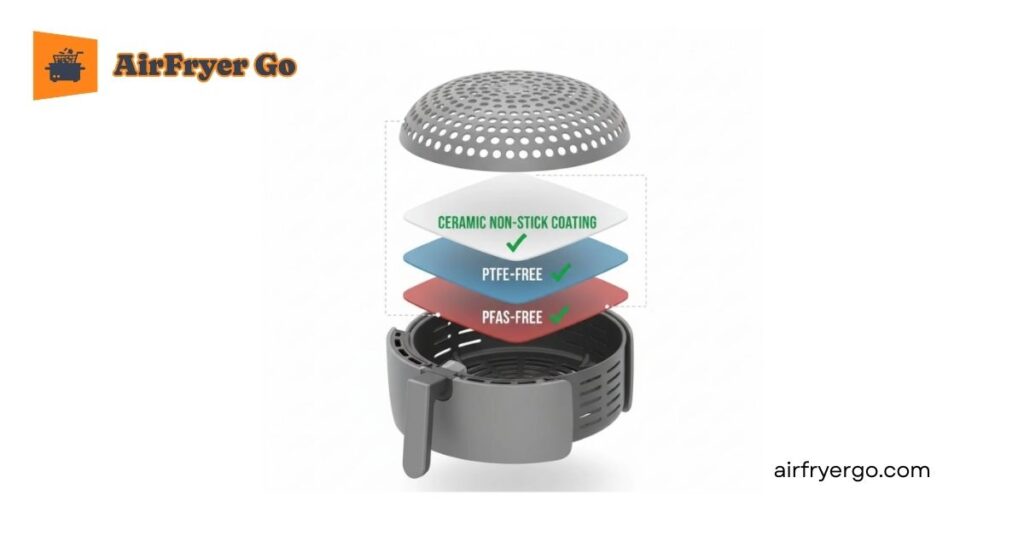
When we talk about whether air fryers are toxic, the conversation usually centers on an “alphabet soup” of chemicals. At AirFryer Go, we believe that understanding these materials is the best way to cook with confidence.
Here is a simple breakdown of the chemicals you might find in your kitchen and what they actually mean for your health.
1. PFOA: The “Retired” Chemical
PFOA (Perfluorooctanoic acid) was once the standard bonding agent for non-stick surfaces.
- The Risk: It has been linked to various health issues and stays in the environment for a long time.
- The Good News: Since 2013, PFOA has been globally phased out. If you buy a reputable air fryer in 2026, it is almost certainly PFOA-free.
2. PTFE: The Famous “Teflon”
PTFE (Polytetrafluoroethylene) is the slick coating that makes eggs slide right off the pan.
- The Concern: PTFE can begin to degrade and release fumes if heated above 260°C (500°F).
- The AirFryer Reality: Most air fryers max out at 200°C to 230°C (400°F to 450°F). This means that under normal cooking conditions, the PTFE coating remains stable and non-toxic.
3. PFAS: The “Forever Chemicals”
PFAS is a broad category of thousands of chemicals (including PTFE) used for heat and water resistance.
- The AirFryer Go Advice: If you want to avoid PFAS entirely, look for “ceramic-coated” or “stainless steel” baskets. Ceramic is a natural, mineral-based alternative that is inherently PFAS-free.
How to Avoid Chemical Exposure
| Material | Safety Level | AirFryer Go Tip |
| Ceramic | Highest | Naturally non-toxic and can handle high heat without fumes. |
| Stainless Steel | Highest | Zero coatings involved; the most durable and “pure” option. |
| PTFE / Non-Stick | Safe | Safe as long as the temperature stays below 200°C (400°F). |
| Scratched Coating | Danger | If the black coating is flaking, stop using it immediately. |
AirFryer Go Pro Tip: Always perform a “dry run” with a new air fryer. Run it empty at 200°C (400°F) for 15 minutes in a well-ventilated room. This allows any manufacturing residues to burn off safely before you ever put food inside.
Brand Safety Check: Ninja, Cosori, and Cuisinart

When shopping for a new appliance, most consumers aren’t just looking for features—they are looking for a brand they can trust. At AirFryer Go, we’ve done the homework for you by analyzing the material safety of the three biggest names in the industry.
Here is how Ninja, Cosori, and Cuisinart stack up when it comes to non-toxic standards.
1. Ninja: The Ceramic Leader
Ninja has built a massive following by pivoting away from traditional PTFE (Teflon) in many of its flagship models.
- Safety Profile: Most Ninja baskets feature a ceramic-based non-stick coating.
- The Benefit: Ceramic is naturally PTFE, PFOA, and PFAS-free. It doesn’t release fumes at high temperatures and is highly resistant to scratching.
- AirFryer Go Verdict: Ninja is currently the “Gold Standard” for mainstream consumers seeking a non-toxic, ceramic-coated experience.
2. Cosori: The Modern Standard
Cosori is known for sleek designs and smart tech, but they are also very transparent about their materials.
- Safety Profile: Cosori baskets typically use a high-quality non-stick coating that is PFOA and BPA-free.
- The Reality: While safe and FDA-approved, most of their standard models still use a PTFE-based coating.
- AirFryer Go Verdict: Extremely safe for everyday use as long as the basket is not scratched or overheated. If you are strictly “Anti-PTFE,” check their newer ceramic-series models.
3. Cuisinart: The Stainless Steel Alternative
Cuisinart often uses a toaster-oven style design, which changes the material game entirely.
- Safety Profile: Many Cuisinart models use stainless steel interiors and wire racks rather than coated baskets.
- The Benefit: Stainless steel is the ultimate “clean” material—it has no coatings to peel, flake, or off-gas.
- AirFryer Go Verdict: The best choice for purists who want to avoid non-stick chemicals altogether.
Quick Comparison: Non-Toxic Features
| Brand | Primary Coating | PFOA/BPA Free? | Best For… |
| Ninja | Ceramic | Yes | Families wanting a chemical-free non-stick. |
| Cosori | Traditional Non-stick | Yes | Users who want easy cleanup and smart features. |
| Cuisinart | Stainless Steel | Yes | Health purists who want zero coatings. |
AirFryer Go Safety Check: Regardless of the brand, always check the specific model’s manual. Brands often release different versions of the same model with varying coatings depending on the manufacture date.
>>> Read More: Best Air Fryer Reviews For Year: Top-Rated Picks for Every Kitchen & Budget
Air Fryer Heavy Metals: Should You Worry?
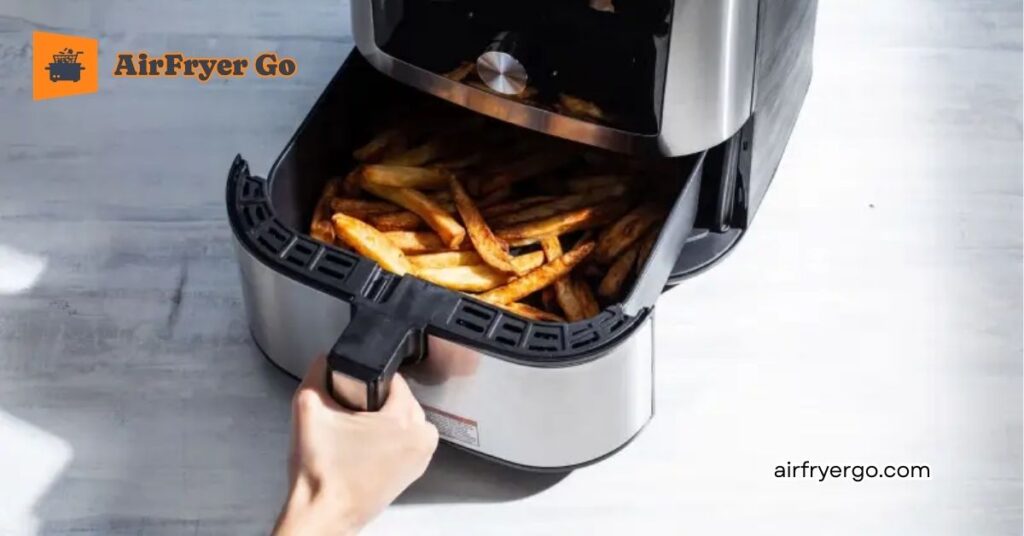
Beyond the debate over coatings, a growing concern for many users is whether air fryers are toxic due to heavy metal leaching. At AirFryer Go, we believe in looking beneath the surface—literally.
While the fear of lead or mercury in your dinner is alarming, understanding where these risks actually come from can help you cook with confidence.
1. Where do Heavy Metals come from?
In an air fryer, heavy metals (like lead, cadmium, or chromium) are generally not found in the food itself but can potentially exist in:
- Low-quality heating elements: Poorly manufactured coils can shed microscopic particles over years of use.
- Cheap internal alloys: Budget-brand air fryers may use “mystery metals” in the inner chamber that haven’t been strictly tested for food safety.
- The Solder: In older or very cheap electronics, lead-based solder was once common, though modern regulations have largely eliminated this.
2. The “Stainless Steel” Solution
The best way to eliminate heavy metal anxiety is to choose 304-grade Stainless Steel.
- Why it’s safe: This high-grade alloy is the standard for surgical tools and professional kitchens. It is non-reactive, meaning it won’t leach metals into your food, even when cooking highly acidic ingredients like tomatoes or lemon-marinated chicken.
3. Certifications: Your Safety Shield
At AirFryer Go, we tell our readers to look for “The Big Three” safety stamps on the box or the bottom of the unit:
- UL (Underwriters Laboratories): Ensures the electrical and material safety of the device.
- ETL (Intertek): Confirms the product meets North American safety standards.
- FDA Approved: Specifically for the parts that touch your food (baskets and racks).
AirFryer Go: Heavy Metal Risk Assessment
| Component | Risk Level | How to Stay Safe |
| Name-Brand Baskets | Very Low | Stick to brands like Ninja or Cuisinart that use FDA-certified materials. |
| Off-Brand/Budget Units | Moderate | Avoid “no-name” brands from unverified marketplaces that lack UL/ETL stamps. |
| Glass Air Fryers | Zero | Glass is inert; it cannot leach metals because it contains none. |
| Stainless Steel Racks | Very Low | Opt for uncoated stainless steel over chrome-plated racks. |
AirFryer Go Safety Tip: If you notice a metallic smell that persists after the initial “burn-in” period (the first 15 minutes of use), it could be a sign of low-quality internal components. If the smell doesn’t go away after 3-4 uses, we recommend returning the unit.
Top Picks: Best Stainless Steel Air Fryer
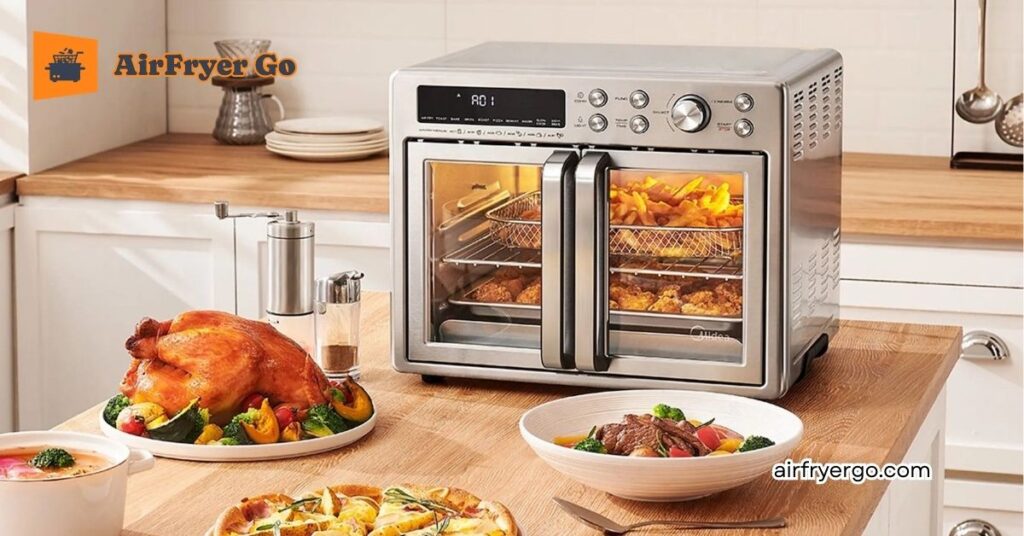
If your goal is to eliminate concerns about whether are air fryers toxic, choosing a model with a stainless steel or glass interior is the ultimate “safety first” move. In 2026, the market has shifted toward these “clean” materials to satisfy health-conscious cooks.
At AirFryer Go, we’ve vetted the top-rated models that prioritize non-toxic construction without sacrificing that signature crunch.
1. The Purest Choice: Ninja Crispi (Glass Series)
Ninja has revolutionized the market with its portable glass cooking system.
- The Build: It uses heavy-duty borosilicate glass containers instead of a plastic-housed metal basket.
- Why it’s Safe: Glass is 100% inert, meaning it cannot leach chemicals or heavy metals into your food, even at the highest temperatures.
- AirFryer Go Verdict: Best for those who want to see their food cooking and want zero contact with non-stick coatings.
2. The Professional Pick: Cuisinart Air Fryer Toaster Oven (TOA Series)
Cuisinart’s toaster-oven hybrids are famous for their high-quality stainless steel interiors.
- The Build: The internal walls are metal, and it comes with a dedicated stainless steel air fry basket.
- Why it’s Safe: Unlike traditional “egg-shaped” air fryers that rely on black non-stick baskets, this unit uses a wire mesh system that is durable and chemical-free.
- AirFryer Go Verdict: Ideal for families who need a high-capacity, multi-functional oven that will never flake or peel.
3. The Premium Performer: Breville Smart Oven Air Fryer Pro
If you are looking for a “forever” appliance, Breville is the gold standard for material quality.
- The Build: Features a brushed stainless steel exterior and a non-toxic interior designed for high-heat stability.
- Why it’s Safe: It utilizes Element IQ technology to distribute heat evenly, preventing “hot spots” that can cause some materials to off-gas. It is consistently rated as PFAS-free for all food-contact surfaces.
- AirFryer Go Verdict: The best investment for serious home chefs who want a heavy-metal-tested, professional-grade machine.
4. The Modern Minimalist: Our Place Wonder Oven
Relatively new to the 2026 scene, this compact oven has taken social media—and health labs—by storm.
- The Build: Uses a ceramic-coated bake pan and stainless steel racks.
- Why it’s Safe: It is strictly marketed as PFAS and PTFE-free, utilizing a toxin-free glaze that provides a natural non-stick surface.
- AirFryer Go Verdict: Perfect for small kitchens and aesthetics-focused cooks who refuse to compromise on chemical safety.
Quick Comparison: Which One Fits Your Kitchen?
| Model | Primary Material | Capacity | Best Feature |
| Ninja Crispi | Borosilicate Glass | 3.8L | 100% inert; zero metal contact. |
| Cuisinart TOA-26 | Stainless Steel | 12L | Durable; no non-stick coatings. |
| Breville Pro | Stainless / Alloy | 28L | Professional precision and longevity. |
| Wonder Oven | Ceramic / Steel | 12L | Non-toxic glaze; stylish design. |
AirFryer Go Shopping Tip: When browsing, always look for the phrase “Stainless Steel Interior.” Many air fryers have a stainless steel exterior but still use a coated basket inside. For a truly non-toxic experience, the material that touches your food is what matters most.
How to Ensure Your Air Fryer Stays Safe
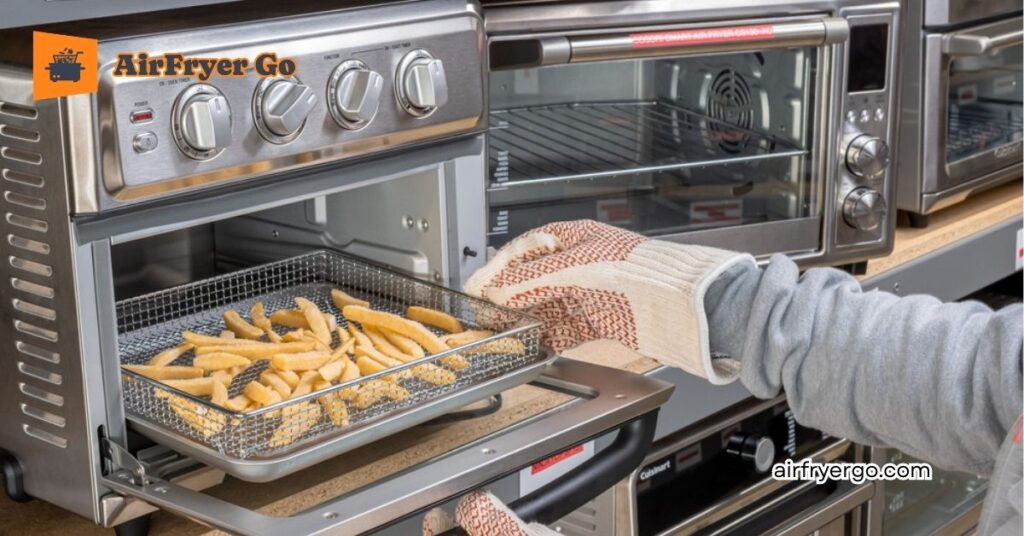
Selecting a non-toxic model is only half the battle. To ensure are air fryers toxic remains a “no” in your kitchen, you must maintain the unit properly. In 2026, the longevity of your appliance depends on how you treat the surfaces that touch your food.
Here are the four essential habits for chemical-free air frying.
1. The “Off-Gassing” Dry Run
Every new air fryer comes with a “new car smell,” which is actually residual manufacturing oils.
- The Ritual: Before cooking food, run your empty air fryer at 200°C (400°F) for 15–20 minutes in a well-ventilated room (open a window or turn on your stove vent).
- The “Lemon Hack”: If the plastic smell persists, place an oven-safe bowl with water and lemon slices inside and run it again. This naturally neutralizes odors without harsh chemicals.
2. Switch to Safe Cooking Oils
Many users accidentally create toxins by using the wrong oils.
- Avoid Aerosol Sprays: Traditional cans (like PAM) contain soy lecithin, which creates a gummy, toxic buildup that ruins non-stick coatings.
- Choose High Smoke Points: Use an oil mister filled with Avocado Oil or Grapeseed Oil. These remain stable at high temperatures, whereas extra virgin olive oil can burn and release bitter, unhealthy smoke if pushed past 190°C (375°F).
3. Clean for Longevity, Not Speed
Even if your basket says “Dishwasher Safe,” the high-heat drying cycle and abrasive detergents in a dishwasher can cause coatings to flake over time.
- The Gentle Method: Always hand-wash with a soft sponge and mild dish soap.
- The Grease Buster: For stubborn, baked-on residue, make a paste of baking soda and water. Let it sit for 20 minutes, then wipe away. It’s a natural abrasive that won’t scratch your non-toxic lining.
4. The “Hand-Span” Ventilation Rule
Safety isn’t just about what’s inside. Proper airflow prevents the plastic housing from overheating and releasing fumes.
- The Fix: Ensure there is at least 5 inches (about a hand-span) of clear space around all sides of your air fryer. Never push it flush against a wall or under a low-hanging cabinet while in use.
AirFryer Go Maintenance Checklist
| Habit | Frequency | Health Benefit |
| Empty “Burn-in” | Once (When New) | Removes manufacturing residue & odors. |
| Soft Sponge Wash | After Every Use | Prevents grease carbonization (smoke). |
| Heating Coil Wipe | Once a Month | Clears splattered fat from the element. |
| Coating Inspection | Every 3 Months | Ensures no peeling or flaking is occurring. |
AirFryer Go Final Safety Check: If your basket ever shows signs of deep scratching or the metal underneath the coating is visible, replace the basket immediately. A healthy meal starts with a healthy surface.
FAQ: Quick Health & Safety Answers
1. Is the Ninja air fryer toxic?
No. Ninja is widely considered one of the safest brands on the market. Most of their models utilize a ceramic-based non-stick coating which is naturally free of PTFE, PFOA, and PFAS. Unlike traditional coatings, ceramic does not release fumes even if accidentally overheated.
2. Is the Cosori air fryer toxic?
No, provided it is used correctly. Cosori baskets are PFOA and BPA-free. While many models use a high-quality PTFE coating (similar to high-end pans), it is perfectly safe as long as the basket is not scratched and you cook below 200°C (400°F).
3. Is the Cuisinart air fryer non-toxic?
Yes. Cuisinart is a favorite for those seeking a “pure” experience. Their toaster-oven style air fryers often feature stainless steel interiors and racks, meaning there is no chemical coating to worry about flaking or off-gassing into your food.
4. Can air fryers release “forever chemicals” (PFAS)?
Only if they use traditional non-stick coatings and are heated beyond their safety limits or are severely scratched. At AirFryer Go, we recommend choosing ceramic or stainless steel models if you want to ensure a 100% PFAS-free kitchen.
5. What is the safest air fryer on the market right now?
The “safest” choice depends on your needs:
- For zero chemical contact: The Ninja Crispi (Glass Series) or a Full Stainless Steel model.
- For easy non-stick without the worry: Any Ninja Ceramic-coated model.
Conclusion: Are Air Fryers Toxic?
So, are air fryers toxic? The evidence is clear: when you choose the right materials and follow simple safety habits, the answer is a resounding no. In fact, by reducing oil consumption and minimizing acrylamide, an air fryer is often one of the healthiest tools in your kitchen arsenal.
The key to a non-toxic kitchen isn’t just the appliance itself, but how you use it. By sticking to name-brand ceramic or stainless steel models, avoiding aerosol sprays, and keeping your temperatures in check, you can enjoy all the conveniences of modern cooking without the chemical worry.
At AirFryer Go, our goal is to help you cut through the noise of internet scare tactics so you can cook for your family with total peace of mind. We believe that a well-informed cook is a safe cook, and we are proud to be your trusted partner in navigating the world of high-speed convection.
Thank you for joining us on this deep dive into kitchen safety. Now that you have the facts, it’s time to get back to the kitchen, fire up that air fryer, and enjoy the delicious, crispy, and healthy meals you deserve.
Recommended next reads:
Air Fryer: Is It Worth It? A Brutally Honest Guide to Pros & Cons
The Ultimate Air Fryer Temps & Times Masterclass
Can You Use Aluminum Foil in an Air Fryer? Everything You Need to Know