


When it comes to the classic debate of air fryer vs microwave, most people think they have to choose between lightning-fast heating and that perfect golden crunch. But as kitchen spaces become more valuable and our cooking habits evolve, the decision isn’t just about which device is better—it’s about which one actually simplifies your daily life.
At AirFryer Go, we know that a countertop is more than just a surface; it’s the heart of your home’s efficiency. Whether you are looking to reclaim your kitchen’s “real estate” with a clever hybrid or wondering if a standalone unit is worth the investment, we’ve put these appliances to the ultimate test. Let’s dive deep into the science of texture, speed, and health to help you decide which one truly deserves a permanent spot in your kitchen.
>>> Read More: Best Air Fryer Reviews For Year: Top-Rated Picks for Every Kitchen & Budget
Comparison Table: Air Fryer vs Microwave
A comparison table provides a clear overview of the differences between an air fryer and a microwave. From cooking speed and functionality to energy efficiency and versatility, this table highlights the strengths and limitations of each appliance. Use it to determine which option best suits your cooking needs and lifestyle.
| Feature | Air Fryer | Microwave |
| Design & Build Quality | Compact, stylish with a basket or tray design | Box-shaped, larger footprint, with a glass turntable |
| Cooking Performance | Crisping, roasting, baking with hot air circulation | Fast reheating, defrosting, and cooking with microwaves |
| Ease of Use & Cleaning | Simple controls, dishwasher-safe parts | One-touch controls, easy to clean with a wipe |
| Price & Value | Mid-range to premium pricing | Affordable to high-end models |
| Best For | Healthy, crispy meals | Quick reheating, defrosting, and basic cooking |
Air Fryer vs Microwave: Understanding the Science

To truly decide between these two kitchen staples, we need to look under the hood. While they might sit side-by-side on your counter, the way they interact with your food is worlds apart.
At AirFryer Go, we believe that understanding the “how” makes it much easier to decide the “which.” Here is the breakdown of the science behind the heat.
1. Microwaves: The Speed of Vibration
Microwaves don’t use a traditional heat source like a flame or an element. Instead, they emit electromagnetic waves that specifically target water molecules in your food.
- The Process: These waves cause water molecules to vibrate at incredibly high speeds—billions of times per second. This friction creates heat, which cooks the food from the inside out.
- The Texture Result: Because the heat comes from vibrating water, the process generates steam. This is why a microwave is unmatched for reheating soups or steaming veggies, but it is also why your leftover pizza crust often turns out chewy or rubbery.
- The Science Verdict: High efficiency for moisture-rich foods; poor performance for anything requiring a “crust.”
2. Air Fryers: The Power of Convection
Despite the name, an air fryer doesn’t actually “fry” in the traditional sense—it is a highly concentrated convection oven.
- The Process: A powerful heating element (usually at the top) creates intense dry heat, while a high-velocity fan circulates that air rapidly around the food.
- The Maillard Reaction: This is the scientific “magic” of the air fryer. The rapid circulation of hot, dry air quickly evaporates moisture from the surface of your food, triggering the Maillard Reaction—the chemical process that creates the golden-brown color and distinct savory flavor we associate with fried food.
- The Science Verdict: Superior for texture and browning; less efficient for liquids or dense, moisture-heavy dishes.
3. The Comparison Table: Internal vs. External Heat
| Feature | Microwave (Vibration) | Air Fryer (Convection) |
| Primary Target | Water molecules | Food surface |
| Heating Direction | Inside -> Out | Outside -> In |
| Best Result | Soft, moist, steamed | Crispy, crunchy, roasted |
| Nutrient Retention | High (due to short cook times) | High (due to lack of water/oil) |
Expert Insight from AirFryer Go: This is exactly why the Microwave Air Fryer Combination units have become so popular. They attempt to bridge this gap by using microwaves to cook the center quickly and convection fans to crisp the exterior. However, as we often see in our tests, achieving both simultaneously requires a high-quality unit with a powerful fan system.
The Hybrid Revolution: Microwave Air Fryer Combinations
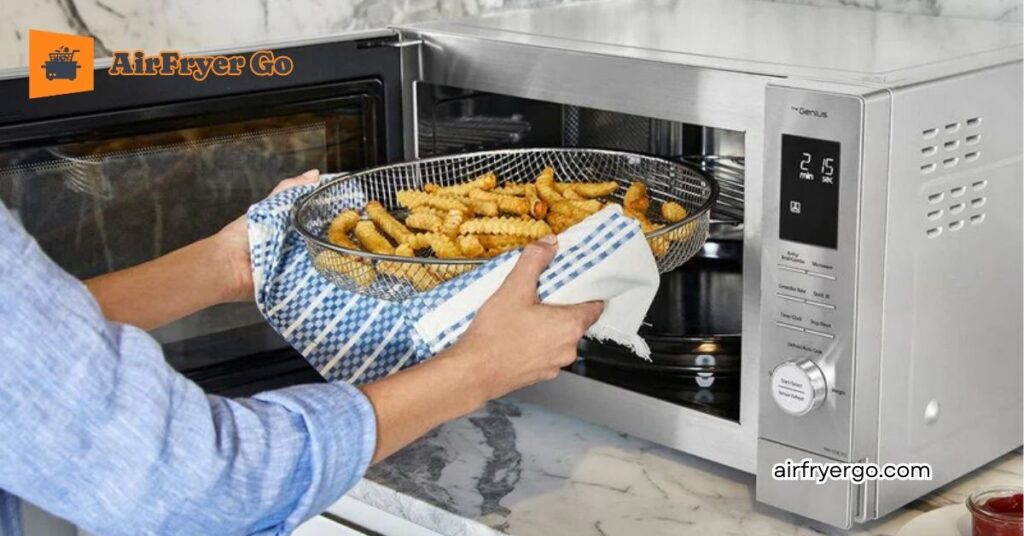
For many, the “Air Fryer vs Microwave” debate ends not with a choice, but with a compromise. Enter The Hybrid Revolution: the 2-in-1 combination unit that promises to defrost your chicken and crisp its skin all in the same chamber.
But does a device that tries to do everything actually do anything well? At AirFryer Go, we’ve analyzed the shift from single-use appliances to these versatile hybrids to see if they truly live up to the hype.
What is a Microwave Air Fryer Combo?
At its core, a combination unit is a microwave that has been “supercharged” with a convection heating element and a high-speed fan. Unlike a traditional microwave that only uses radiation, these units feature multiple cooking modes:
- Microwave Mode: For traditional reheating and defrosting.
- Convection/Air Fry Mode: For roasting and crisping.
- Combi-Mode: The real game-changer—using microwaves to cook the inside rapidly while the air fryer element browns the outside.
The Pros: Why the Hybrid is Winning
1. Reclaiming Your Countertop “Real Estate”
In modern apartments or minimalist kitchens, space is the ultimate luxury. A combination unit replaces two bulky appliances with one sleek footprint. It’s the perfect solution for those who refuse to choose between a morning oatmeal (microwave) and evening chicken wings (air fryer).
2. The Power of “Combi-Cooking”
The hybrid’s secret weapon is the ability to use both technologies simultaneously. By combining the speed of microwaves with the browning power of convection, you can often roast a whole chicken in 30% less time than a standard oven, without losing the crispy skin.
The Cons: The Reality Check
3. The “Crunch” Factor
While hybrids are impressive, they often struggle to match the airflow velocity of a dedicated basket-style air fryer. Because the internal cavity of a microwave is larger and square-shaped, the air doesn’t always circulate as aggressively.
- AirFryer Go Insight: If you are a “crispy fry purist,” you might find that a combo unit gets you to about 85% of the crunch level of a standalone Ninja or Philips.
4. Cleaning Complexity
Standard microwaves are easy to wipe down because they don’t use high heat to bake on grease. However, once you start “air frying” inside that same cavity, oil splatters can become “baked on” due to the convection heat. You’ll need to be more diligent with cleaning to prevent smoke and odors.
Head-to-Head: Which One Wins for Your Lifestyle?
To truly decide between these two kitchen staples, we need to look under the hood. While they might sit side-by-side on your counter, the way they interact with your food is worlds apart.
At AirFryer Go, we believe that understanding the “how” makes it much easier to decide the “which.” Here is the breakdown of the science behind the heat.
| Feature | Microwave (Vibration) | Air Fryer (Convection) |
| Primary Target | Water molecules | Food surface |
| Heating Direction | Inside -> Out | Outside -> In |
| Best Result | Soft, moist, steamed | Crispy, crunchy, roasted |
| Nutrient Retention | High (due to short cook times) | High (due to lack of water/oil) |
Expert Insight from AirFryer Go: This is exactly why the Microwave Air Fryer Combination units have become so popular. They attempt to bridge this gap by using microwaves to cook the center quickly and convection fans to crisp the exterior. However, as we often see in our tests, achieving both simultaneously requires a high-quality unit with a powerful fan system.
>>> Read More: Air Fryer: Is It Worth It? A Brutally Honest Guide to Pros & Cons
Top Countertop Recommendations for Year
As we move through this year, the market for “Smart Kitchens” has matured, giving us some of the most reliable and efficient appliances we’ve ever tested. At AirFryer Go, we’ve filtered through the noise to bring you the top-performing units that balance price, power, and durability.
Here are our expert recommendations for the best countertop solutions this year.
1. Best Overall Microwave Air Fryer Combo: Panasonic HomeChef 4-in-1
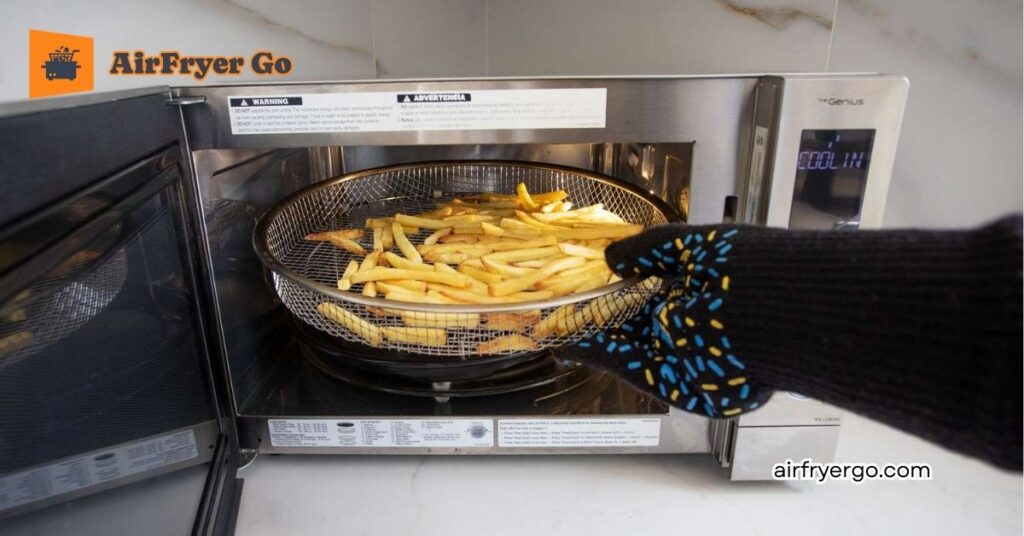
This unit remains a champion because it doesn’t just “try” to do everything—it masters it.
- The Highlight: It combines a Microwave, Air Fryer, Convection Oven, and Broiler.
- Why we love it: Its Inverter technology for microwaving is superior, ensuring no “cold spots,” while the air fry mode produces a surprisingly even crunch thanks to its powerful internal fan.
- Best for: The “One-Appliance” kitchen.
2. Best Standalone Air Fryer (Performance King): Ninja Foodi FlexBasket
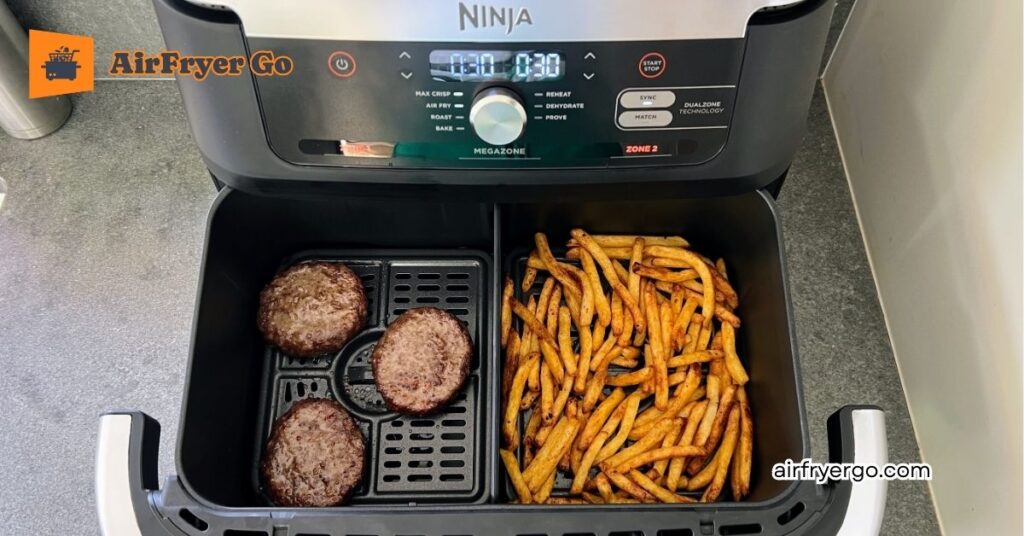
If you decided that a hybrid isn’t for you, this is the gold standard for the year.
- The Highlight: A massive 7qt (or 11qt) basket that can be divided into two zones or kept as one mega-zone.
- Why we love it: The airflow velocity in Ninja units is top-tier. It consistently beats out combo units in our “Chicken Wing Test” for both speed and skin texture.
- Best for: Families who prioritize flavor and “The Crunch.”
3. Best Space-Saver Hybrid: Breville the Combi Wave 3-in-1
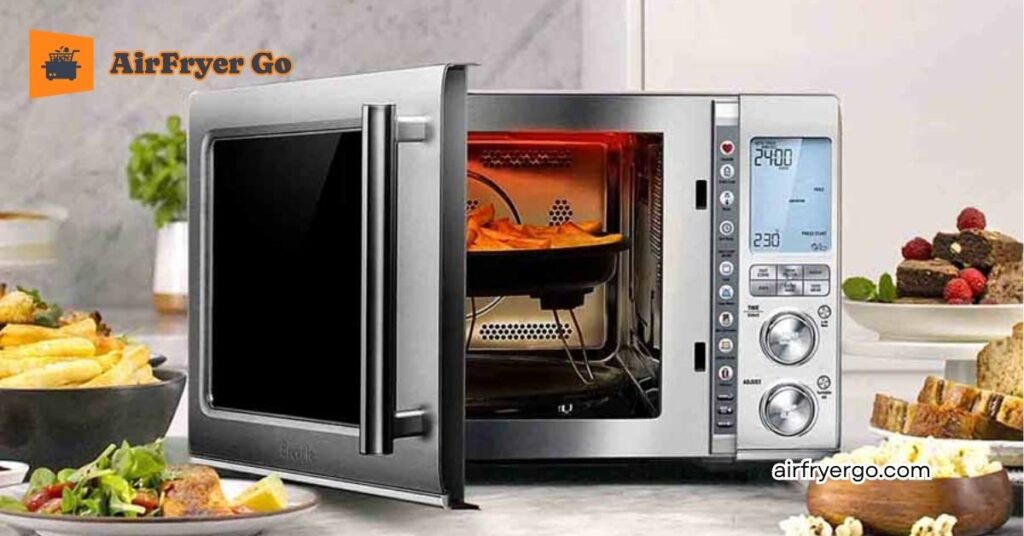
For those with very limited “countertop real estate,” Breville offers premium engineering in a compact frame.
- The Highlight: Remarkably quiet operation (soft-close door) and a “Fast Combi” function.
- Why we love it: It uses the microwave to heat the core of the food and the air fryer to finish the exterior simultaneously, cutting cooking times by nearly 40%.
- Best for: Studio apartments and luxury minimalist kitchens.
4. Best Budget-Friendly Combo: Toshiba 4-in-1 Desktop Microwave
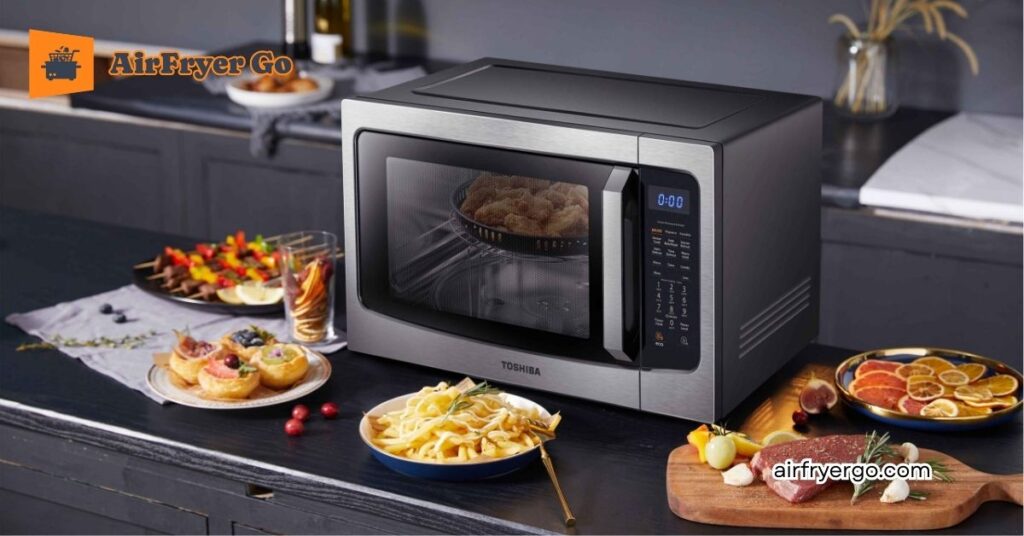
You don’t need to spend a fortune to get a reliable hybrid.
- The Highlight: Simple interface with a dedicated “Air Fry” button and a stainless steel interior.
- Why we love it: It’s a workhorse. While it might lack the “AI sensors” of higher-end models, it hams and crisps reliably for a fraction of the price.
- Best for: Students and first-time homeowners.
Summary Table: Year Recommendations
| Model | Primary Category | Key Feature | Best For |
| Panasonic HomeChef | Hybrid (4-in-1) | FlashXpress Broiler | Versatility |
| Ninja FlexBasket | Standalone | Dual-Zone Cooking | Large Families |
| Breville Combi Wave | Hybrid (3-in-1) | Ultra-Quiet Tech | Small Spaces |
| Toshiba 4-in-1 | Hybrid (Budget) | Easy-Clean Interior | Value |
Important Reminder: The pricing and availability of these models may fluctuate based on current demand and retailer promotions. We also recommend checking if the unit is brand new or a certified refurbished model, as this can significantly affect both the price and the warranty coverage.
Maintenance & Cleaning: The Hidden Truth

While most marketing brochures show these appliances looking pristine, the reality of daily use can be a bit more… “greasy.” At AirFryer Go, we believe that a great appliance is only as good as your ability to keep it running.
The cleaning process for a microwave and an air fryer (or a combo unit) is fundamentally different due to the type of heat they use. Here is what you need to know to keep your countertop champion in top shape.
1. The Microwave: Vapor and Splatters
Because microwaves cook with steam, the residue left behind is usually “wet.”
- The Challenge: Tomato sauce or soup splatters that harden over time.
- The Solution: The “Steam Clean” hack. Place a bowl of water with lemon slices inside and microwave for 3 minutes. Let it sit for another 2 minutes to loosen everything, then simply wipe with a microfiber cloth.
- Pro Tip: Never use abrasive scrubbers on the interior walls; they can damage the coating that reflects the microwaves.
2. The Air Fryer: The “Baked-On” Grease
Air fryers use intense, dry convection heat. This means any oil or fat that splatters gets “baked” onto the basket and heating element.
- The Challenge: Carbonized grease buildup that creates smoke during future cooks.
- The Solution: Clean the basket after every single use. If you wait, the oil polymerizes and becomes nearly impossible to remove. For the heating element (the coil at the top), wait until the unit is completely cool, turn it upside down, and wipe the element with a damp cloth every few weeks.
- Pro Tip: While many baskets are “dishwasher safe,” hand-washing with a soft sponge will preserve the non-stick coating for 2-3 years longer.
3. The Hybrid (Combo Unit): The Ultimate Cleaning Test
Combination units are the hardest to maintain because they combine the splatters of a microwave with the high-heat baking of an air fryer.
- The Hidden Truth: If you use the microwave mode for a week without cleaning, and then switch to “Air Fry” mode, the convection heat will permanently “cook” those old microwave splatters onto the stainless steel walls.
- The Solution: You must treat a hybrid unit like a high-end oven. Wipe it down daily. If your combo unit has a stainless steel interior, use a specialized stainless steel cleaner once a month to keep it shiny and odor-free.
Maintenance Checklist: Extend Your Appliance’s Life
- Clear the Vents: Air fryers and hybrids need “breathing room.” Ensure there are at least 4-5 inches of space behind the unit so the exhaust fan doesn’t overheat.
- Check the Cord: High-wattage appliances generate heat through the power cord. Periodically check that the plug isn’t discolored or feeling excessively hot.
- Deep Clean the Coil: Once a month, check the top heating element. A dirty coil is the #1 cause of “that weird burning smell” in air fryers.
Whether you choose the speed of a microwave, the crunch of an air fryer, or the versatility of a hybrid, a little maintenance goes a long way. Taking 60 seconds to wipe your machine today saves you 60 minutes of scrubbing next month.
Expert Disclaimer: Always refer to your specific model’s manual before using chemical cleaners. Also, remember that the cost of replacement parts (like baskets or glass turntables) can vary. We recommend surveying the availability of spare parts before settling on a specific brand to ensure your machine is easy to repair if something breaks.
>>> Read More: How to Clean an Air Fryer: The Ultimate Guide to a Sparkling Machine
Frequently Asked Questions (FAQs)
1. Can a microwave truly replace an air fryer (and vice versa)?
No. While there is some crossover, they are engineered for different tasks. A microwave is the master of liquids, defrosting, and steaming. An air fryer is the master of crisping and roasting. If you try to reheat soup in an air fryer, you’ll have a mess; if you try to make crispy wings in a microwave, you’ll have a soggy dinner.
2. Can I use metal pans in a Microwave Air Fryer Combo?
You can only use metal when the unit is in “Convection” or “Air Fry” mode. If the microwave function is active, metal will cause arcing (sparks) and could destroy your machine.
- AirFryer Go Safety Tip: Always double-check your settings! If you’re forgetful, we recommend using silicone or oven-safe glass (like Pyrex) that works safely in both modes.
3. Which appliance uses more electricity?
In this year, energy efficiency is a top priority. Generally, microwaves use less energy because they cook so much faster. However, air fryers are still far more efficient than a full-sized traditional oven because they don’t require 15 minutes of preheating. For a 15-minute cook, the cost difference is negligible.
4. Why do some combo units have a “burning smell” when air frying?
This usually happens because old splatters from the “microwave” days are being “baked on” by the high-heat convection fan. To prevent this, ensure the interior is wiped clean of all food residue before switching from microwave mode to air fry mode.
5. Are combo units slower than standalone air fryers?
Yes, typically. Standalone air fryers have smaller cavities and much more powerful fans relative to their size. A combo unit usually takes 20–30% longer to achieve the same level of crispiness because it has a larger space to heat and slower air circulation.
Conclusion: Making Your Final Choice
The choice between a Air Fryer vs Microwave ultimately depends on your lifestyle. If speed and reheating are your priorities, the microwave is your MVP. If you crave that perfect, healthy crunch, a standalone air fryer is the winner. And for those short on space, the hybrid combo is the perfect “all-in-one” compromise.
At AirFryer Go, we’re here to help you cut through the noise and find the tools that truly work for your kitchen. Whatever you choose, we’re committed to providing the honest reviews and expert tips you need to cook with confidence.
Friendly Reminder: Prices and performance may vary based on your location and the unit’s condition. Always check the wattage and warranty to ensure your new appliance fits your home perfectly!
Recommended next reads:
Air Fryer vs Oven: Which Is Better for Your Kitchen & Wallet?
Air Fryer vs Instant Pot: Which Multi-Cooker is Right for You?
Air Fryer vs Deep Fryer: Is the Healthier Choice Actually Tastier?


