Learning how to clean air fryer components effectively is the secret to ensuring your favorite meals stay crispy and your kitchen remains smoke-free. While these appliances are legendary for convenience, a buildup of hidden grease can quickly affect both the flavor of your food and the lifespan of your machine.
At AirFryer Go, we believe maintenance shouldn’t be a chore. Whether you’re dealing with a sticky basket or a dirty heating element, this guide provides the fastest, safest ways to keep your unit sparkling without the heavy scrubbing.
>>> Read More: How to Use an Air Fryer: The Ultimate Master Guide (From Unboxing to Pro)
How Often Should You Clean Your Air Fryer?

Maintaining a regular schedule is the best way to prevent a clean air fryer task from turning into a weekend-long scrubbing session. At AirFryer Go, we categorize maintenance into three levels to keep your machine efficient and your food tasting fresh.
1. After Every Use: The Non-Negotiables
Think of your air fryer basket like a frying pan; you wouldn’t cook eggs in a pan covered in yesterday’s bacon grease.
- The Parts: The basket, the crisper plate (tray), and the drawer.
- The Reason: Even “dry” foods leave behind crumbs and invisible oils. If left to sit, these fats go rancid or bake onto the surface during the next cycle, making them nearly impossible to remove later.
2. Every 2–3 Uses: The Exterior Wipe-Down
- The Parts: The touchscreen, handle, and outer casing.
- The Reason: Greasy hands leave prints that can eventually bake onto the plastic from the unit’s internal heat. A quick wipe with a damp microfiber cloth keeps the “sparkle” alive.
3. Monthly (or when smoke appears): The Deep Clean
- The Parts: The interior walls and the heating element.
- The Reason: Splatter from high-fat foods (like wings or bacon) eventually hits the heating coils. If you notice a faint smell of smoke or a “burnt” aroma when the machine is empty, it’s time for a deep clean.
A Reminder from AirFryer Go: Consistency is key. A machine that is cleaned regularly consumes less energy because the airflow isn’t restricted by grease buildup. As noted in our general guides, while prices and models vary, a well-maintained machine of any brand will always outlast and outperform a neglected one.
The Easiest Way to Clean Your Air Fryer (Daily Maintenance)

Daily maintenance is the secret to avoiding the dreaded “deep scrub.” At AirFryer Go, we focus on efficiency—getting your machine ready for the next meal in under five minutes.
Here is the easiest, most effective routine for your daily clean air fryer needs:
The “Post-Meal” Soak (The Zero-Effort Method)
Don’t let the grease cool down and harden. The moment you finish serving your food, follow these steps:
- The Step: While the basket is still slightly warm (but not dangerously hot), fill it with warm water and a few drops of degreasing dish soap.
- The Benefit: The residual heat helps the soap break down fats instantly. By the time you finish eating dinner, the grime will have loosened significantly, requiring only a quick rinse.
Use the Right Tools (No Scratches!)
The non-stick coating is the heart of your air fryer. Once it’s scratched, food will stick forever.
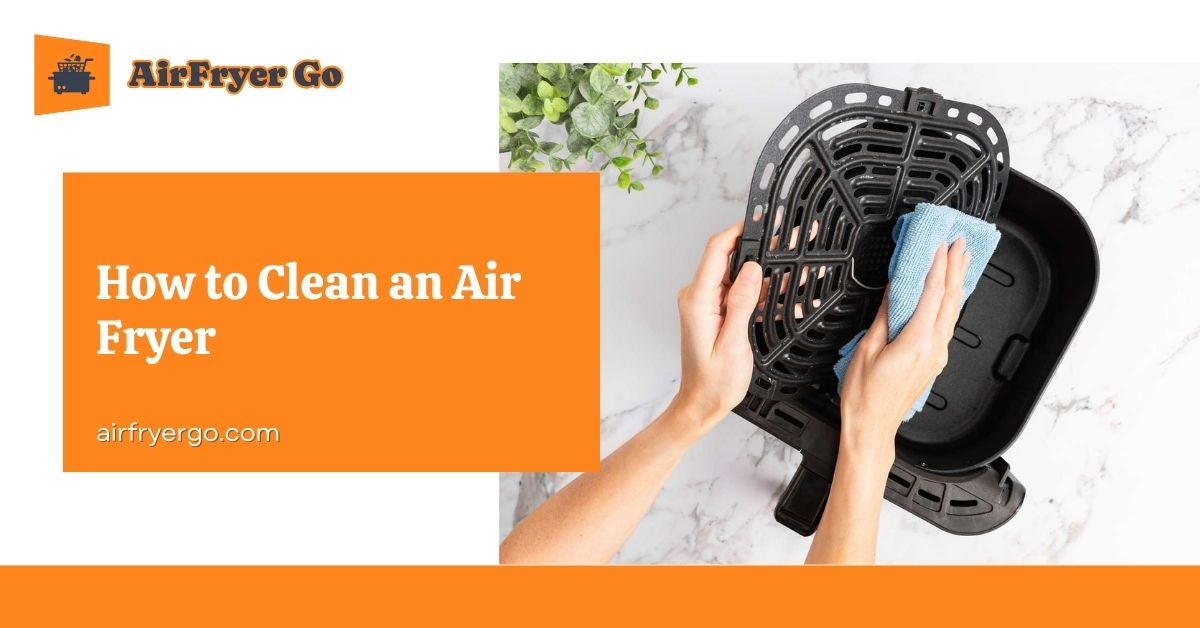
- Do Use: Soft sponges, microfiber cloths, or silicone scrubbers.
- Avoid: Steel wool, metal scouring pads, or abrasive “green” sponges. These will strip the coating and ruin the basket’s performance.
The “Steam Hack” for Stubborn Crumbs
If you have baked-on bits that won’t budge:
- The Trick: Place a small oven-safe bowl with water and a slice of lemon inside the basket. Run the air fryer at 180°C for 3–5 minutes.
- The Result: The steam softens the residue, and the lemon acidity cuts through the grease, making it easy to wipe away with a paper towel.
Technical Note: While most modern baskets are labeled “dishwasher safe,” we recommend hand-washing whenever possible. The high heat and harsh detergents in dishwashers can degrade the non-stick surface over time. As our guides suggest, a well-cared-for machine ensures your investment pays off for years to come.
>>> Read More: Top Air Fryer Tips and Tricks: Master Your Air Fryer Like a Pro
Deep Clean 101: Attacking Stubborn Grease

When daily rinsing isn’t enough and you start noticing a sticky, amber-colored residue or a faint “burnt oil” smell, it’s time for a deep clean. At AirFryer Go, we call this the “Reset Button” for your appliance.
Here is how to safely remove carbonized grease without damaging your machine.
1. The Baking Soda “Power Paste”
For those stubborn, baked-on brown spots that soap can’t touch, look to your pantry instead of harsh chemicals.
- The Formula: Mix 3 parts baking soda with 1 part water to create a thick paste.
- The Application: Spread the paste over the greasy areas of the basket or the interior walls. Let it sit for 15–20 minutes.
- The Action: Baking soda is a mild abrasive and an alkaline cleaner that breaks down acidic grease. Use a soft-bristled toothbrush to gently scrub the spots away.
2. The Vinegar Degreaser
If the interior walls feel tacky to the touch, white vinegar is your best friend.
- The Method: Dampen a microfiber cloth with a 1:1 mixture of white vinegar and warm water.
- The Benefit: The acetic acid cuts through the thin film of oil that air circulation deposits on the ceiling and sides of the air fryer.
3. Cleaning the “Impossible” Crevices
Grease loves to hide in the seams of the basket handle and the edges of the tray.
- The Pro Tool: Use a wooden skewer or a toothpick wrapped in a thin damp cloth to dig out the “gunk” from tight corners. You’ll be surprised—and perhaps a bit horrified—at what hides there!
Technical Reminder: As our guidelines mention, the condition of your machine matters. If you notice the non-stick coating is peeling off during your deep clean, it’s a sign that the material is compromised. In such cases, replacing the basket—or the unit—is safer than continuing to cook on a damaged surface.
The Expert Challenge: How to Clean the Heating Element

This is the “Final Boss” of maintaining a clean air fryer. The heating element—the coiled wire usually located at the top of the internal chamber—is responsible for that high-speed heat. However, it is also a magnet for grease splatters from wings, bacon, and roasts.
At AirFryer Go, we treat this as a precision task. A dirty element causes smoke and smells; a damaged one ruins the machine.
Safety First: The Non-Negotiables
Before you even touch the heating coils, you must ensure the unit is:
- Unplugged: Never clean the element while the cord is connected.
- Completely Cool: Wait at least 30–60 minutes after your last meal.
- Dry: Ensure your hands and cleaning cloths are damp, not dripping wet.
The “Flip” Technique
Most people struggle to clean the element because they are trying to reach upward into a dark cavity.
- The Pro Move: Once the basket is removed, gently turn the entire air fryer upside down.
- Why: This gives you a clear view and direct access to the coils. It also prevents any cleaning liquid from dripping deeper into the electrical motor.
The Step-by-Step Detailing
- Step 1 (The Light Clean): Use a damp microfiber cloth or a soft sponge with a tiny drop of dish soap. Wipe along the curve of the coils to remove surface oil.
- Step 2 (The Stubborn Spots): Use a soft-bristled toothbrush to gently scrub the areas behind the coils where grease often hides.
- Step 3 (The Final Wipe): Use a clean, damp cloth to “rinse” away any soap residue.
Technical Reminder: The heating element is the engine of your cooker. As noted in our capacity and survey guides, if you notice the element is warped, rusted, or has deep black “crust” that won’t come off, it may be affecting the machine’s power draw. In these cases, it might be more cost-effective to consult a professional or consider an upgrade to a newer, easier-to-clean model.
Shopping Guide: The Easiest to Clean Air Fryers

If you are tired of scrubbing, the best strategy is to choose a machine designed with a “clean-first” philosophy. In this year, manufacturers have finally listened to the biggest consumer complaint: the mess.
At AirFryer Go, we evaluate “ease of cleaning” based on three factors: basket geometry, coating quality, and the presence of “Self-Clean” technology.
What to Look For in an “Easy-Clean” Model
- Ceramic Coating over PTFE: High-quality ceramic coatings are naturally more “non-stick” than traditional coatings and are much harder to scratch during a deep clean.
- Minimalist Baskets: Look for baskets with flat bottoms and fewer “honeycomb” holes. Square baskets with rounded corners are significantly easier to wipe than round baskets with complex wire mesh.
- Steam-Clean Cycles: Some 2026 models now include a dedicated water reservoir that uses high-pressure steam to loosen grease from the heating element automatically.
Maintenance vs. Replacement: When to Let Go?
Sometimes, no amount of cleaning can save a machine. You should consider a new, easier-to-clean model if:
- The Coating is Flaking: If you see black specks in your food, the non-stick layer is compromised.
- Permanent Odor: If the machine smells like “old fish” even when empty and clean, grease has likely seeped into the internal motor housing.
- Rust on the Element: Corroded heating coils are a safety hazard and reduce cooking efficiency.
A clean air fryer isn’t just about aesthetics; it’s about the quality of the air circulating around your food. A well-maintained machine ensures that every meal tastes exactly how it was intended—crispy, fresh, and delicious.
Troubleshooting & Safety Tips

Even with the best cleaning routine, you might encounter a few “hiccups” with your appliance. At AirFryer Go, we believe that knowing how to troubleshoot safely is just as important as knowing how to scrub.
Here is how to handle common cleaning-related issues while keeping your kitchen protected.
The “Smoke Alarm” Mystery
If your air fryer starts smoking despite looking clean, it’s usually one of two things:
- The Culprit: High-fat foods (like bacon) are splattering onto the hot element, or there is “invisible” grease film on the ceiling of the unit.
- The Fix: Pause the cooking and place a slice of bread at the bottom of the drawer to soak up excess grease, or add a tablespoon of water to the drawer to stop the oil from smoking.
Dealing with the “Old Oil” Odor
Sometimes the basket is clean, but the smell of last night’s salmon lingers.
- The Natural Fix: Cut a lemon in half and rub it over the basket and tray. Let it sit for 30 minutes before rinsing.
- The “Coffee” Trick: Place a small bowl of dry coffee grounds inside the basket overnight (with the machine off). The grounds act as a natural odor absorber.
The “Self-Clean” Myth
Some modern machines advertised as “Self-Cleaning” aren’t magic.
- The Reality: Most just use a high-heat or steam cycle. You still need to wipe the residue away manually once the cycle ends. Don’t rely on the machine to do 100% of the work, or you’ll face permanent carbon buildup.
AirFryer Go Protection Protocol
- Avoid Harsh Chemicals: Never use bleach, oven cleaner, or concentrated degreasers. The fumes can be toxic when heated in such a small, enclosed space, and the chemicals can eat through the delicate seals of the machine.
- Dryness is Vital: Water and electricity are a deadly duo. Always wait until the unit is bone dry before plugging it back in after a deep clean.
Final Expert Note: As our guidelines emphasize, your safety is paramount. If your cleaning reveals deep-seated grime that has caused the plastic housing to melt or warp, the machine’s structural integrity is compromised. Our price lists can help you find a safer, modern replacement that fits your budget and power capacity.
FAQs
1. Can I use “Oven Cleaner” on a very dirty air fryer?
No. You should strictly avoid caustic oven cleaners. Air fryers are compact, and the powerful fans can blow chemical residues onto your food during the next use. Additionally, these harsh chemicals can dissolve the specialized non-stick coating and damage the heating element. Stick to baking soda and vinegar for heavy-duty grime.
2. Is it safe to put the main unit in the dishwasher?
Absolutely not. Only the removable parts—the basket, crisper tray, and drawer—are potentially dishwasher safe. The main housing contains the motor, fan, and heating element. Submerging it or putting it in a dishwasher will destroy the electronics and create a severe electrocution risk.
3. My air fryer smells like plastic when I use it. Is it dirty?
If it’s a new machine, this is often “off-gassing” from the manufacturing process. If it’s an older machine, a plastic smell usually means grease has built up near the motor or a plastic component is getting too hot. Perform a deep clean of the interior walls and heating element immediately.
4. Can I submerge the heating element in water to clean it?
Never. The heating element should only be wiped with a damp cloth or scrubbed gently with a soft brush. Submerging it can trap moisture inside the electrical insulation, leading to a short circuit or total machine failure once you turn it back on.
5. Why does my air fryer still smell like fish even after I washed it?
Odors can be trapped in the “ceiling” of the air fryer (the area around the fan and heating element). Wipe the interior ceiling with a mixture of lemon juice and water, or leave a bowl of baking soda inside the closed (and turned off) unit overnight to absorb the scent.
Conclusion: Keep It Fresh, Keep It Fast
Maintaining a clean air fryer is about more than just a sparkling countertop; it’s about preserving the authentic flavor of every meal and extending the life of your favorite kitchen companion. A well-maintained machine ensures optimal airflow, reduces energy consumption, and—most importantly—guarantees the health and safety of your family.
At AirFryer Go, we believe that modern convenience should always go hand-in-hand with durability. We hope these expert insights, from daily basket rinses to mastering the “difficult” heating element, empower you to take full control of your appliance.
A Final Note from AirFryer Go: Every model has its own unique technical personality. As highlighted in our pricing and survey guides, understanding your specific unit’s power capacity and current condition is key to effective maintenance. A little care today ensures crispy, delicious, and smoke-free meals for years to come.
Recommended next reads:
Preheating Air Fryer: The Secret to Perfect Crunch for Every Brand
Air Fryer: Is It Worth It? A Brutally Honest Guide to Pros & Cons